What's the Real Difference Between Title and Registration?
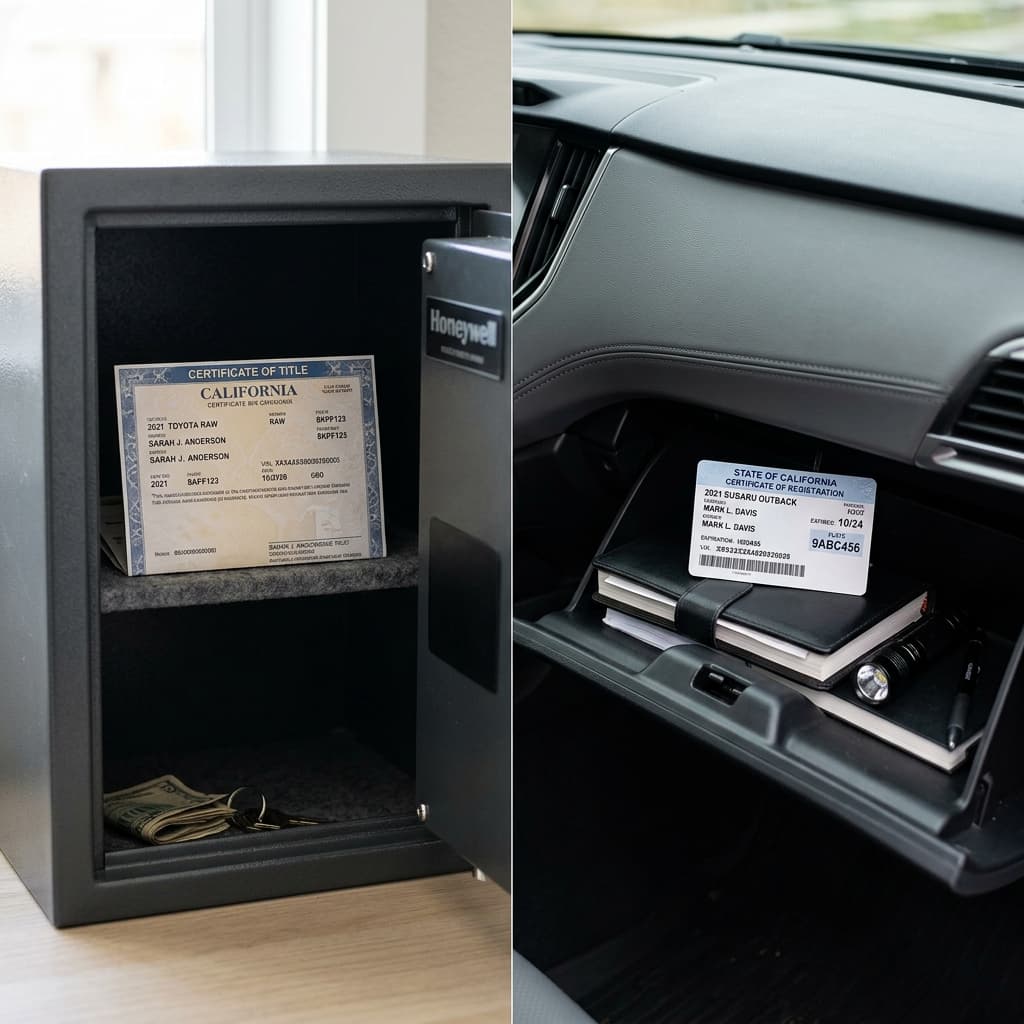
When you buy a vehicle, you are handed a stack of paperwork that can feel overwhelming. Among the forms and receipts, two documents stand out as the most critical: the title and the registration. While people often use these terms interchangeably or assume they are part of the same packet, they serve two completely different legal purposes.
Confusing the two can lead to significant headaches. If you lose your registration, you might get a traffic ticket. If you lose your title, you might find yourself unable to sell your car or prove you own it. Understanding the distinction is vital for every vehicle owner, whether you are buying from a dealer, selling privately, or simply trying to stay legal on the road.
Need to verify ownership or check vehicle history? Start here.
What is a Vehicle Title?
A vehicle title (often called a "pink slip" or "certificate of title") is the ultimate legal proof of ownership. Think of it like the deed to a house. If your name is on the title, the law recognizes you as the owner of the vehicle.
The title is issued by your state's Department of Motor Vehicles (DMV). It is valid for as long as you own the car, meaning it does not expire. You only need to update it if you sell the vehicle, transfer ownership to a family member, or move to a new state.
Key Information Found on a Title
A title contains permanent, defining data about the vehicle and its ownership status, including:
- Vehicle Identification Number (VIN): The unique 17-character code assigned to your specific car.
- Owner's Information: Your name and address.
- Lienholders: If you financed the car, the bank or lender will be listed here. In many states, the bank holds the physical title until the loan is paid off.
- Mileage at Sale: The odometer reading recorded when the vehicle was last sold.
- Vehicle "Brand": This is critical for used car buyers. The title will state if the car has a "clean" history or if it has been "salvaged," "rebuilt," or declared a "lemon."
What is Vehicle Registration?
While the title proves you own the car, the registration is your permission to drive it. Vehicle registration is a document issued by the state (usually accompanied by a sticker for your license plate) that indicates you have paid the necessary taxes and fees to operate the vehicle on public roads.
Unlike a title, registration is not permanent. It must be renewed periodically, typically every one or two years, depending on your state laws.
Key Information Found on a Registration
The registration card focuses on compliance and identification for law enforcement:
- License Plate Number: The specific number assigned to your metal plates.
- Expiration Date: The exact date your permission to drive the vehicle lapses.
- Vehicle Details: Make, model, year, and VIN (to ensure the registration matches the car).
- Validation Sticker Number: The serial number of the sticker on your license plate.
The Registration Process
To register a vehicle, you generally need to provide the title (proof of ownership) and proof of insurance. The state wants to ensure that anyone driving on public highways is financially responsible in case of an accident. Once processed, you receive a registration card and a sticker.
Key Differences Between Title and Registration
The easiest way to remember the difference is this: The title is for the file cabinet; the registration is for the glovebox.
Ownership vs. Privilege
The title represents your property rights. It allows you to sell, trade, or modify the vehicle. The registration represents a privilege granted by the state. You can own a car without registering it (for example, a farm truck that never leaves private property), but you cannot legally drive a car on public roads without registering it.
Storage and Security
Because the title allows the holder to transfer ownership, you should never keep it in the vehicle. If a thief steals your car and finds the title in the glovebox, they can forge your signature and sell the vehicle, making recovery difficult. Store your title in a fireproof safe at home or a safety deposit box.
Conversely, you must have your registration card in the vehicle while driving. If you are pulled over by law enforcement, failure to produce a valid registration card is a ticketable offense.
The Problem of Fraud
Understanding the title is your first line of defense against scams. Unscrupulous sellers may try to pass off a vehicle with a "salvage" history as having a "clean" title, a practice known as title washing. They might move the car to a different state with laxer laws to get a new title that doesn't show the accident history.
Always compare the VIN on the actual car (usually on the dashboard or driver's door jamb) with the VIN on the title. If they don't match, or if the seller refuses to show you the title, walk away.
Suspect something's not right? Protect yourself with a VIN check.
Why Both Are Important
Maintaining both documents is essential for protecting your investment and staying on the right side of the law.
Avoiding Legal Issues
Driving with expired registration can lead to steep fines and, in some cases, having your vehicle impounded. Driving a vehicle you just bought without properly transferring the title into your name (often called "title jumping") is illegal in every state and can result in felony charges.
Maintaining Vehicle Value
When it comes time to sell or trade in your car, the title is non-negotiable. You cannot legally transfer the vehicle to a new owner without it. If you have lost the title, you will have to go through a duplicate title process with the DMV, which costs money and can take weeks, potentially causing you to lose a buyer.
Insurance Claims
If your vehicle is stolen or totaled in an accident, your insurance company will require proof of ownership (the title) to process a payout. Without it, your claim could be delayed or denied.
How to Keep Your Title and Registration Safe
Since these documents are vital, you need a strategy to protect them.
- Treat the Title Like Cash: Store it securely. Do not laminate it, as some DMVs consider laminated documents invalid (it interferes with security features).
- Digital Backups: Take clear photos or scans of both your title and your current registration. Save them in a secure cloud storage folder. If the originals are lost or destroyed, having a copy makes the replacement process much faster.
- Know Your Renewal Date: Registration expires. Set a calendar reminder a month before the expiration date so you aren't caught driving illegally.
- Replace Immediately: If you lose your registration card, you can usually print a duplicate online for a small fee. If you lose your title, file for a replacement immediately. Do not wait until you need to sell the car.
Title vs. Registration: Key Differences Recap
Feature | Vehicle Title | Vehicle Registration |
|---|---|---|
Primary Purpose | Proves legal ownership | Permits use on public roads |
Issued By | State DMV | State DMV |
Possession | Kept by owner (or bank if financed) | Kept in the vehicle |
Validity Period | Valid until vehicle is sold | Expires every 1-2 years |
Required for Sale? | Yes, absolutely | No |
Required for Driving? | No (keep at home) | Yes, mandatory |
Key Info | VIN, Owner, Liens, Brand | Plate #, Expiration, VIN |
Conclusion
While they both come from the DMV, your vehicle title and registration serve two very different functions. The title protects your ownership rights, while the registration ensures you are contributing to the upkeep of the roads you drive on.
Understanding the difference protects you from fraud when buying used cars and keeps you out of trouble with the law. Always check the title status before buying, and always keep your registration current while driving.