How to Transfer Car Ownership Without the DMV Headache
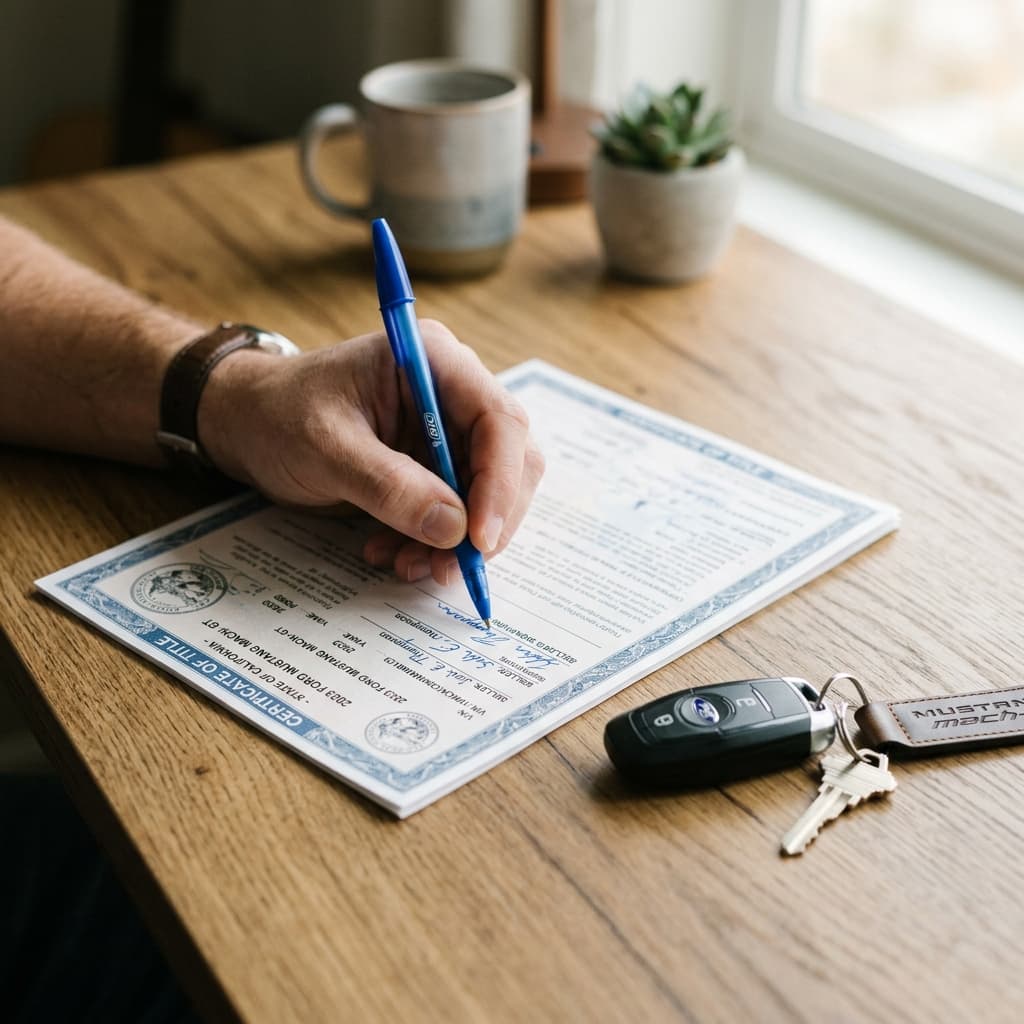
Buying or selling a car often feels like a victory lap, until you hit the wall of paperwork. While handing over the keys is a symbolic moment, the legal transfer of ownership doesn't happen until the state recognizes it. One missed signature or a smudge of ink on the title can turn a simple transaction into a bureaucratic nightmare, involving multiple trips to the DMV and potential legal liabilities.
Whether you are a first-time seller or a seasoned flipper, getting the title transfer right is non-negotiable. This guide provides a clear, step-by-step roadmap to navigating the process, ensuring you stay compliant with state laws and avoid costly mistakes. We will break down exactly what documents you need, where to sign, and how to protect yourself from fraud during the handoff.
Verify the Title Before You Sign
The most critical document in this process is the Certificate of Title. Before a pen ever touches the paper, both the buyer and seller must verify that the document is valid and accurate.
If you are the buyer, compare the Vehicle Identification Number (VIN) on the title against the VIN plate on the car's dashboard and the sticker inside the driver's door jamb. They must match exactly. If even one digit is off, the DMV will reject the transfer.
Next, check the "Lienholder" section on the front of the title. If a bank or lender is listed, the seller cannot legally transfer the car to you without a lien release document. This is a separate paper from the lender stating the loan has been paid in full. Without it, you are essentially buying the car's debt, not just the vehicle.
For sellers, verify that your name is printed on the title exactly as it appears on your driver's license. If your name has changed (due to marriage or divorce) since you bought the car, you will likely need to bring supporting legal documents, like a marriage certificate, to the DMV.
Correctly Sign the Title
This is where most mistakes happen. A car title is a legal government document, not a napkin. State DMVs are notoriously strict about how titles are filled out.
Use the Right Ink
Always use blue or black ink. Never use pencil, and absolutely never use correction fluid (whiteout). If you make a mistake, do not cross it out or try to erase it. In many states, any alteration voids the title immediately, forcing the seller to apply for a duplicate title, a process that can take weeks.
Seller and Buyer Sections
Flip the title over to the back (usually). There will be specific sections designated for the "Seller" (Transferor) and the "Buyer" (Transferee).
- Sellers: You must print your name and sign on the lines marked for the seller. If there are two owners listed on the front of the title joined by "AND" (e.g., John Doe AND Jane Doe), both owners must sign. If they are joined by "OR," only one needs to sign.
- Buyers: You will sign and print your name in the buyer's section. Do not sign the seller's line by accident.
Federal Odometer Disclosure
Federal law (49 CFR 580) requires the seller to disclose the vehicle's mileage at the time of transfer. You must write the exact mileage displayed on the dashboard, excluding tenths of a mile. Both the seller and buyer must sign this section to acknowledge the reading.
File the Title with the DMV
Once the title is signed, the transfer isn't complete until it is filed with the state. This is typically the buyer's responsibility, but the specific requirements vary by state.
You generally need to bring the following to your local DMV or tag agency:
- The Signed Title: Completed as described above.
- Bill of Sale: Many states require a separate Bill of Sale to verify the purchase price for tax purposes.
- Proof of Insurance: You cannot register a car without active insurance in your name.
- Payment: Be ready to pay title transfer fees, registration fees, and sales tax.
Understanding the Costs
The cost to transfer a title varies significantly by state. While the title fee itself might be small (often $15–$50), the sales tax is the big hitter. You will typically pay a percentage of the vehicle's purchase price.
If you are buying an older car, be aware that some states charge tax based on the vehicle's "book value" rather than the price you paid, to prevent people from artificially lowering the price to avoid taxes.
Keep Accurate Records
Protecting yourself doesn't stop at the DMV counter. Liability is a major concern during private car sales.
For Sellers: Until the title is officially transferred out of your name in the state's system, you could legally be held responsible for parking tickets, toll violations, or even crimes committed with the vehicle.
- Action Step: File a "Release of Liability" or "Notice of Transfer" with your DMV immediately after the sale. This notifies the state that you no longer own the car, even if the buyer hasn't registered it yet.
For Buyers: Keep copies of the Bill of Sale and the signed title before you hand it over to the DMV clerk. If the DMV loses your paperwork (it happens), you will have proof of ownership.
Common Transfer Issues to Watch For
Even with a perfect checklist, things can get complicated. Here are a few common hurdles and how to clear them.
Missing or Lost Titles
You cannot sell a car without a title. If the title is lost, the seller must apply for a duplicate title before the sale can proceed. The buyer cannot apply for a lost title on a car they do not legally own yet.
Hidden History and Fraud
A shiny exterior can hide a disastrous history. Scammers often try to "wash" titles, moving a car between states to remove "Salvage" or "Flood" brands from the paperwork.
Before you hand over cash or sign a title, you need to know if you are buying a lemon. This is where a vehicle history report becomes essential. It verifies the odometer history, checks for past accidents, and flags if the car was ever declared a total loss.
Inherited Vehicles
Transferring a car from a deceased owner requires extra steps. You will typically need a copy of the death certificate and a letter from the executor of the estate or probate court authorizing the transfer. You cannot simply sign the deceased person's name on the title.
Document Checklist
Use this quick reference table to ensure you have everything before heading to the DMV:
Document | Responsibility | Notes |
|---|---|---|
Certificate of Title | Seller provides, Buyer files | Must be signed by both parties; no errors. |
Bill of Sale | Seller & Buyer | Includes price, date, VIN, and names. |
Lien Release | Seller | Required if a loan was ever taken out on the car. |
Odometer Disclosure | Seller fills, Buyer acknowledges | Required by federal law for most vehicles. |
Proof of Insurance | Buyer | Must be active on the new vehicle. |
Emissions/Smog Cert | Seller (usually) | Required in states with environmental mandates. |
Protect Your Investment
The paperwork might be boring, but it is the shield that protects your investment. By verifying the VIN, checking for liens, and ensuring the title history is clean, you safeguard yourself against fraud and legal headaches.
Don't guess about a vehicle's past. Whether you are buying or selling, transparency is the key to a smooth transaction. Before you sign that title, ensure you have the full story.
Final Thoughts
Transferring car ownership is a precise process that rewards attention to detail. Take your time verifying the information on the title, use the correct ink, and file your paperwork promptly. A few minutes of careful review today can save you from hours of frustration, and hundreds of dollars, down the road.