Where Can I Sell My Car for the Most Money: New Research
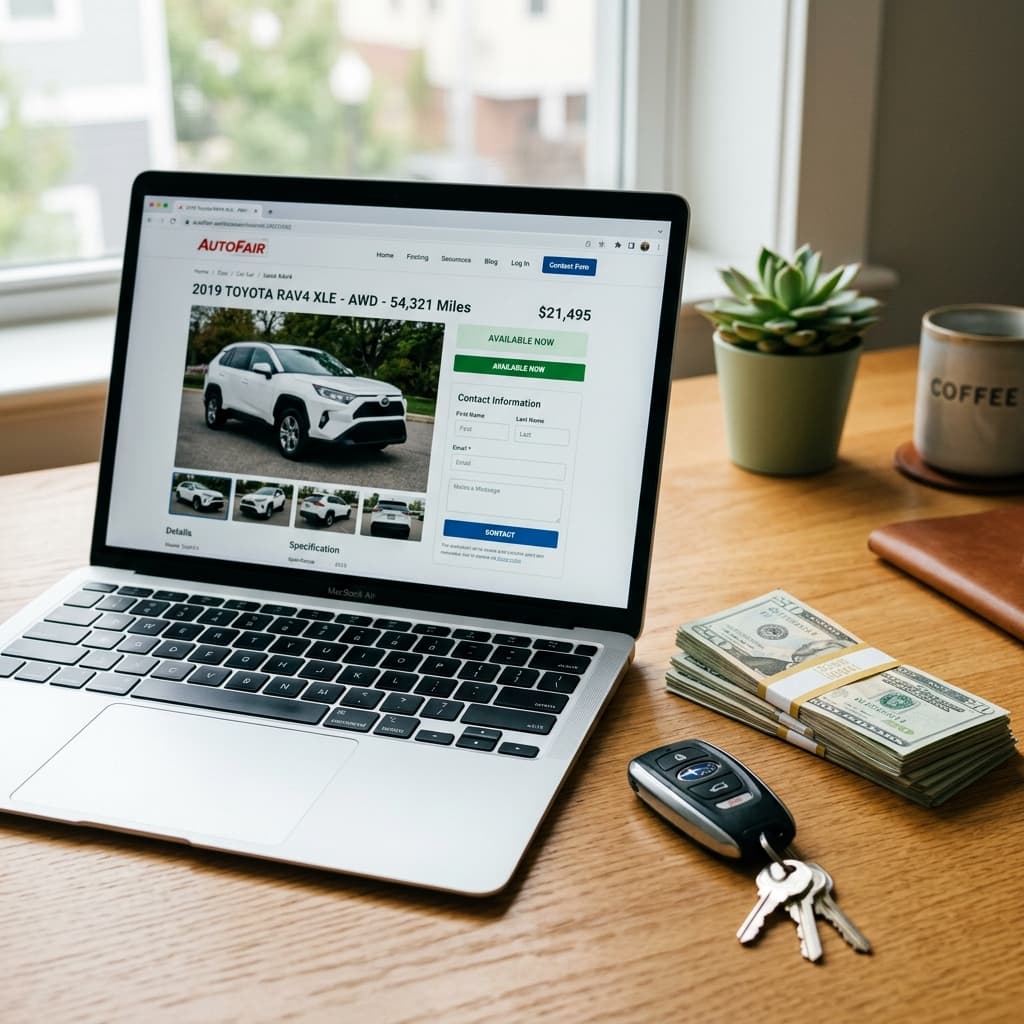
Selling a vehicle is often a balancing act between two competing desires: getting the highest possible price and minimizing the headache of the transaction. If you have ever felt paralyzed by the choice between trading in at a dealership or meeting a stranger from an online marketplace, you are not alone. The fear of leaving money on the table is real, especially when market conditions shift rapidly.
New research from late 2025 and early 2026 sheds light on exactly where the used car market stands today. With average listing prices hovering around $26,000 and inventory for affordable cars remaining tight, sellers are in a unique position of power, if they know where to look. Understanding the current data is the best way to cut through the noise and make a decision that benefits your wallet.
Whether you are looking to upgrade to a new model or simply offload an extra vehicle, transparency is your best tool. Knowing the "why" behind price differences across platforms can help you negotiate better and spot lowball offers immediately. Before you list your car, let's look at what the numbers say about maximizing your return.
Overview of the Car Selling Market
To get the most money for your car, you first need to understand the environment you are selling into. The days of predictable depreciation are gone, replaced by a market driven by supply constraints and shifting consumer demand.
Current Market Trends
According to the Manheim Used Vehicle Value Index, the wholesale market is showing signs of strength as we move into 2026. The index recently rose to 205.5, reflecting a 0.4% year-over-year increase. This suggests that wholesale prices, what dealers pay at auction, are stabilizing and even ticking upward.
On the retail side, the picture is even clearer for sellers. Data from December 2025 shows the average used car listing price sat at $26,043, a 2% increase from the previous month. Why are prices holding steady? Supply. There is a specific shortage of affordable inventory; dealers reportedly have only a 38-day supply of vehicles priced under $15,000. If you own an older, reliable vehicle, you are holding a hot commodity.
Factors Influencing Car Prices
While the market averages are high, your specific payout depends on several variables.
- Vehicle Segment: Luxury vehicles and EVs have seen performance improvements recently, while compact cars have seen some price declines.
- Condition: A car in "Good" condition is the baseline. "Excellent" is rare (only about 3% of cars), so be realistic to avoid disappointment.
- Mileage: Lower mileage remains the king of value retention, especially given the scarcity of newer used cars caused by production halts years ago.
New Research Findings
The biggest question remains: Where do you sell? We analyzed the differences between selling methods to determine which avenue yields the highest financial return.
Best Platforms for Selling
The hierarchy of payout potential has remained consistent, but the gap between them can vary based on your car's desirability.
- Private Party Sales: This method almost always yields the highest sale price. By cutting out the middleman, you capture the retail value of the car rather than the wholesale value.
- Instant Cash Offers (ICOs): Services like Kelley Blue Book's Instant Cash Offer provide a fixed amount valid for 7 days. These offers are based on specific conditions and local demand. They offer a middle ground, more convenient than a private sale, but typically lower than what a private buyer would pay.
- Dealer Trade-In: This is generally the lowest payout option. However, in states with sales tax credits on trade-ins, the gap between this and a private sale might narrow significantly.
Price Comparison Across Platforms
Why is there such a discrepancy? It comes down to overhead. When a dealer takes your trade-in, they must recondition it, perform safety inspections, market it, and pay their staff, all while trying to turn a profit.
A private party buyer does not have these costs. They are paying for the car "as-is." Consequently, the "Private Party Value" is consistently higher than the "Trade-in Value." For example, on a $20,000 vehicle, the difference between selling it yourself and trading it in could easily be $1,500 to $3,000 depending on the dealer's reconditioning estimates.
Pros and Cons of Selling Methods
Selling Method | Payout Potential | Effort Required | Risk Level |
|---|---|---|---|
Private Party | High | High (Listing, meeting buyers) | Moderate (Scam safety) |
Instant Cash Offer | Medium | Low (Online form, drop-off) | Low |
Dealer Trade-In | Low | Very Low (One transaction) | Low |
Maximizing Your Car's Value Before Selling
You cannot change the market, but you can change how your car is perceived within it. Small investments in time and money can yield disproportionate returns.
Repairs and Maintenance
You do not need to make your car perfect, but you should address "deal-breakers." If your check engine light is on, many buyers will walk away or demand a massive discount. Fixing a minor sensor issue is often cheaper than the negotiation hit you will take if you leave it broken. However, be careful not to overspend. If the cost of a repair (like fixing a broken AC compressor) exceeds the value it adds to the car, it is better to disclose the issue and adjust your price accordingly.
Detailing and Presentation
First impressions are everything. A thorough detailing job can add hundreds of dollars to your final sale price.
- Exterior: Wash and wax the car. Clear headlights if they are foggy.
- Interior: Vacuum deeply and remove all personal items. A clutter-free car suggests a well-maintained car.
- Documentation: Having a folder of service records and a clean vehicle history report proves you have nothing to hide. This builds trust, which is the currency of a private sale.
Avoiding Pitfalls and Scams
The private market offers the most money, but it also carries the most risk. Recent alerts from the Federal Trade Commission (FTC) highlight that scammers are actively targeting online car sellers.
Common Scams to Watch Out For
The most prevalent threat in 2025 is the fake check overpayment scam. Here is how it works:
- A "buyer" contacts you, often claiming they are out of town or cannot meet in person.
- They send a check (certified, cashier's, or personal) for more than your asking price.
- They claim it was a mistake and ask you to wire the difference back to them or pay a third-party "shipper."
- Days later, the bank discovers the check is fake. The money you wired is gone, and you are responsible for the bounced check fees.
The Golden Rule: Never accept a check for more than the selling price. If a buyer suggests this, end the conversation immediately.
Ensuring a Safe Transaction
To protect yourself and your asset, follow these safety protocols:
- Verify the Buyer: Speak on the phone before meeting. Trust your gut, if they seem evasive, move on.
- Meet in Public: Conduct test drives and the final sale in a safe, public location, such as a police station parking lot or a busy bank.
- Secure Payment: Cash is king, but for large amounts, meet at the buyer's bank and watch them get the cashier's check from the teller.
- Transparency: Provide a vehicle history report upfront. This not only filters out less serious buyers but also protects you from claims that you hid information later.
Sell Smart, Sell Safe
The research is clear: if you want the most money for your car, the private market is your best bet, especially for reliable vehicles under $15,000 where supply is critically low. While trading in offers convenience, it comes at a significant cost to your bottom line.
By understanding the current market trends, preparing your vehicle properly, and staying vigilant against common scams, you can navigate the sale with confidence. Remember, knowledge is profit. Validate your car's value and history today to ensure you get every dollar you deserve.