Best Ways to Sell Your Car in 2026: Expert Tips to Get the Best Price and Fastest Sale
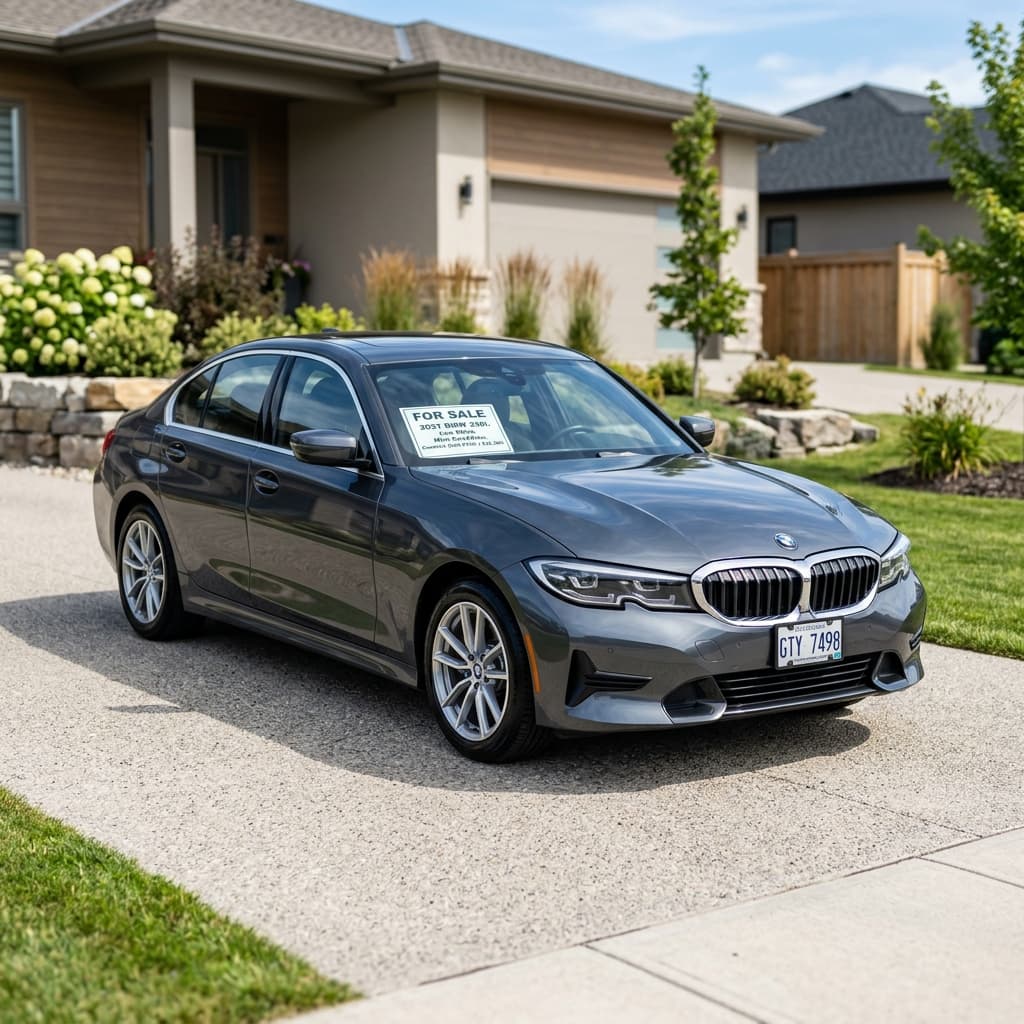
The automotive market has shifted dramatically over the last few years. While supply chain issues previously sent used car prices skyrocketing, 2026 has settled into a more stable rhythm that requires sellers to be smarter and more strategic. You can no longer stick a "For Sale" sign in the window and expect a bidding war within the hour.
Today, maximizing your profit requires understanding the current landscape, knowing exactly what your vehicle is worth, and presenting it transparently to skeptical buyers.
Whether you are looking to upgrade to a newer model or simply downsizing, the difference between a mediocre offer and a top-dollar sale often comes down to preparation. Buyers have more data at their fingertips than ever before. To compete, you need to match that level of information.
By gathering the right paperwork, ensuring your vehicle is mechanically sound, and choosing the right sales channel, you can navigate the process with confidence.
Selling a car involves a series of decisions, from pricing strategies to safety precautions during test drives. This guide covers every step of the journey, ensuring you not only get the best price but also protect yourself from common pitfalls like lowball offers and title fraud.
Preparing Your Car for Sale
Before you even list your car online or visit a dealership, you need to make sure the vehicle looks and performs its best. First impressions are critical. A buyer who sees a dirty, cluttered car assumes the maintenance has been neglected as well.
Cleaning and Detailing
Investing time (or a little money) into detailing can yield a high return on investment. Start with the interior, as this is where the buyer will spend their time. Remove all personal items, trash, and clutter. Vacuum every crevice, including under the seats and in the trunk.
If your upholstery is stained, consider renting a steam cleaner or hiring a professional to shampoo the carpets and seats. Wipe down the dashboard, console, and door panels with a microfiber cloth to remove dust and grime.
For the exterior, a simple run through an automatic car wash isn't enough. Hand wash the vehicle to ensure you reach the wheel wells and door jambs. Apply a coat of wax to protect the paint and give it a shine that pops in photos.
Don't forget the tires; applying tire shine can make an older car look significantly newer. Clear headlights are also a major selling point, if yours are foggy, a headlight restoration kit can make a dramatic difference in the car's appearance.
Mechanical Checkup
A shiny car won't sell if it makes ominous noises when the key turns. You don't necessarily need to fix every minor issue, but you must be aware of them. Addressing small, inexpensive repairs, like replacing a burnt-out taillight, topping off fluids, or getting an overdue oil change, removes bargaining chips from the buyer's hands.
For higher-value vehicles, consider getting a pre-sale inspection from a trusted mechanic. Having a current inspection report allows you to show potential buyers that the car is in good health.
If the inspection reveals major issues, you can decide whether to fix them or adjust your asking price accordingly. Transparency here is key; disclosing known issues upfront builds trust and prevents the deal from falling apart later.
Gathering Paperwork
Nothing stalls a sale faster than missing documentation. Before listing, locate your title (also known as the "pink slip"). If you have a lien on the car, contact your lender to understand the payoff process. In addition to the title, gather your registration and, crucially, your maintenance records.
Buyers love a paper trail. A folder filled with receipts for oil changes, tire rotations, and repairs proves that you have cared for the vehicle responsibly. This documentation justifies a higher asking price and reassures the buyer that they aren't purchasing a "lemon."
Determining Your Car's Value
Pricing a car correctly is a balancing act. Price it too high, and your listing will sit stale for weeks. Price it too low, and you leave money on the table. To find the "sweet spot," you need to rely on data rather than sentiment.
Researching Market Value
Start by consulting major valuation tools like Kelley Blue Book (KBB) and Edmunds. These platforms allow you to input your vehicle's specific details, year, make, model, trim, and options, to generate an estimated value range. Pay close attention to the "Private Party Value," which is what you can expect when selling to an individual. This is typically higher than the "Trade-In Value" offered by dealerships.
However, online calculators are just estimates. You must also research the actual market. Search for your specific car on listing sites like Autotrader, Craigslist, and Facebook Marketplace. Look for cars with similar mileage and condition in your geographic area. If every similar Honda Civic in your town is listed for $12,000, listing yours for $15,000 will likely result in zero inquiries.
Factors Affecting Car Value
Be realistic about your car's condition. Most owners overrate their vehicles. Be honest with yourself about:
- Mileage: Lower mileage always commands a premium.
- Condition: Dings, scratches, and worn tires reduce value.
- Color: Neutral colors like black, white, and silver sell faster than niche colors like bright yellow or purple.
- Seasonality: Convertibles sell for more in the spring and summer, while 4x4 trucks and SUVs command higher prices in the fall and winter.
- Location: Demand varies by region. An electric vehicle might sell for a premium in urban California but struggle in rural Wyoming.
Choosing the Right Selling Method
In 2026, you have more ways to sell a car than ever before. The right choice depends on whether you prioritize maximum profit or maximum convenience.
Selling to a Dealership
Trading in your car at a dealership is the fastest and easiest method. You drive in, they appraise it, and you apply the value toward your new purchase. The downside is the price.
Dealers need to recondition and resell the car for a profit, so they will offer you the wholesale price, which can be thousands of dollars less than the private market value. However, in some states, trading in a vehicle offers a tax benefit, you only pay sales tax on the difference between the new car price and your trade-in value.
Selling Privately
Selling to a private individual requires the most work but yields the highest payout. You handle the cleaning, listing, communication, test drives, and paperwork. If you are willing to put in the effort, you can often pocket 15-25% more than a trade-in offer. This method is best for those who are comfortable negotiating and have the time to manage the sales process.
Selling to Online Car Buyers
Companies like Carvana, Vroom, and CarMax have popularized the "instant offer" model. You enter your VIN and details online, and they provide a non-negotiable cash offer instantly. This method sits between dealerships and private sales. It is incredibly convenient, they will often pick the car up from your driveway, and the offers are generally competitive, sometimes beating traditional dealer trade-in values.
Selling Method | Convenience | Potential Profit | Best For |
|---|---|---|---|
Dealership Trade-In | High | Low | Buyers purchasing a new car immediately who want a seamless transaction. |
Private Party Sale | Low | High | Sellers willing to put in work to maximize financial return. |
Online Instant Offer | High | Medium | Sellers who want speed and ease and check prices against dealers. |
Listing Your Car for Sale
Once you have prepped the car and chosen your price, it's time to create the listing. Your ad is your sales pitch, and in a digital marketplace, it needs to stand out.
Writing a Compelling Ad
Your description should be detailed and honest. Start with the basics (Year, Make, Model, Trim, Mileage) but go beyond the specs. Highlight the benefits: "New tires installed last month," "Non-smoker," or "Garage kept."
Honesty is your best marketing tool. If the car has a scratch on the bumper or the AC blows warm, list it. Transparency filters out buyers who are looking for perfection and builds credibility with serious buyers. A buyer who arrives to find an undisclosed dent will wonder what else you are hiding.
Taking Great Photos
Photos sell cars. You don't need a professional camera; a modern smartphone is sufficient if you use the right technique.
- Lighting: Shoot on an overcast day or during "golden hour" (just after sunrise or before sunset). Harsh midday sun creates unflattering shadows and glare.
- Angles: Take photos from all four corners (front-left, front-right, rear-left, rear-right). Get straight-on shots of the front and back.
- Interior: Photograph the front seats, back seats, dashboard (with the engine running to show no warning lights), and the odometer.
- Details: Take close-ups of wheel treads and the engine bay.
Setting the Right Price
Psychology plays a role in pricing. A car listed for $14,900 often generates more interest than one listed for $15,100 because of price filters on search engines. Decide if you want a quick sale or top dollar. If you want it gone fast, price it slightly below the market average. If you are willing to wait for the right buyer, price it at the top of the range, but be prepared to justify that price with records and condition.
Handling Inquiries and Test Drives
Once your ad is live, the inquiries will start coming in. This stage requires patience and caution.
Responding to Inquiries
Respond to messages promptly. In 2026, buyers expect quick communication. However, be prepared to screen potential buyers. Avoid anyone who asks to pay via wire transfer without seeing the car or offers to send a shipping company to pick it up, these are classic hallmarks of scams. Stick to buyers who ask specific questions about the car's condition and history.
Conducting Test Drives
Safety is paramount during test drives. Never meet a stranger at your home. Instead, choose a high-traffic, public location, such as the parking lot of a police station or a busy shopping center.
When the buyer arrives:
- Check their ID: Take a picture of their driver's license before handing over the keys.
- Verify Insurance: Ask for proof of auto insurance.
- Ride Along: Always accompany the buyer on the test drive.
- Route: Plan a safe route that allows them to test the car at different speeds without going into secluded areas.
Negotiating the Sale
Negotiation is the part of the process most sellers dread, but it doesn't have to be confrontational. It is simply a business transaction.
Knowing Your Bottom Line
Before you ever meet a buyer, establish your "walk-away" number. This is the absolute lowest price you are willing to accept. Having this number firmly in your mind prevents you from making an emotional decision in the heat of the moment.
Negotiating Tactics
Expect the buyer to make a lower offer; it's part of the game. If you listed the car for $15,000, they might offer $13,000. Don't be offended. Counter with a number closer to your asking price, such as $14,500. Remind them of the value-adds you identified earlier, such as the new tires or the comprehensive service records.
If you reach a stalemate, consider non-monetary concessions. For example, if you have extra floor mats or a car cover, you could throw those in to seal the deal.
Occasionally, buyers may try to use vehicle history as a negotiation tactic, claiming the car has a "bad record" to drive the price down. This is where having your own data is crucial. If you get caught up in conflicting information or suspect a buyer is being dishonest about the car's history, you need verification.
Finalizing the Sale
Congratulations, you have agreed on a price! Now comes the most critical part: the paperwork and payment. Mistakes here can lead to legal liability or financial loss.
Completing the Paperwork
Every state has different requirements, but generally, you will need a Bill of Sale and the Title. The Bill of Sale should include the vehicle description (VIN, make, model), the sale price, the date, and the names and signatures of both buyer and seller. It should clearly state that the vehicle is sold "as is."
When signing the title, be extremely careful. Crossing out names or using white-out can void the document, requiring you to apply for a duplicate title from the DMV, which can take weeks. Follow the instructions on the back of the title exactly.
Receiving Payment
Protecting yourself from fraud is essential.
- Cash: Good for lower-priced transactions, but checking for counterfeit bills is wise.
- Cashier's Check: Safer than a personal check, but meet the buyer at their bank to watch the teller print it. Fake cashier's checks are a common scam.
- Escrow Services: For high-value or long-distance sales, use a verified escrow service.
- Digital Payment: Services like Zelle or Venmo have transaction limits and offer little seller protection, so use them with caution for small amounts only.
- Avoid Wire Transfers: The FTC advises consumers not to use wire transfers for transactions with strangers, as they are risky and difficult to reverse if something goes wrong.
Transferring Ownership
Once the money and keys have exchanged hands, you are not quite done. You must notify the DMV that you have sold the vehicle. This is often called a "Notice of Transfer and Release of Liability" (NRL). Filing this protects you if the new owner gets a parking ticket, runs a red light, or is involved in a hit-and-run before they register the car in their name. Remove your license plates (unless the plates stay with the car in your state) and cancel your insurance policy immediately.
Conclusion
Selling your car in 2026 requires a mix of old-school preparation and modern digital savvy. By taking the time to detail your vehicle, researching its true market value, and creating a transparent, professional listing, you can significantly increase your final sale price. Remember that safety and documentation are your safety nets. Meeting in public, verifying funds, and filing a release of liability ensure that once the car drives away, your responsibility for it ends.
Whether you choose the convenience of an online offer or the profit potential of a private sale, having the right data is your competitive advantage. Start your sale with confidence by knowing exactly what you are selling.