How to Sell a Car with a Loan: The Complete Private Seller's Guide
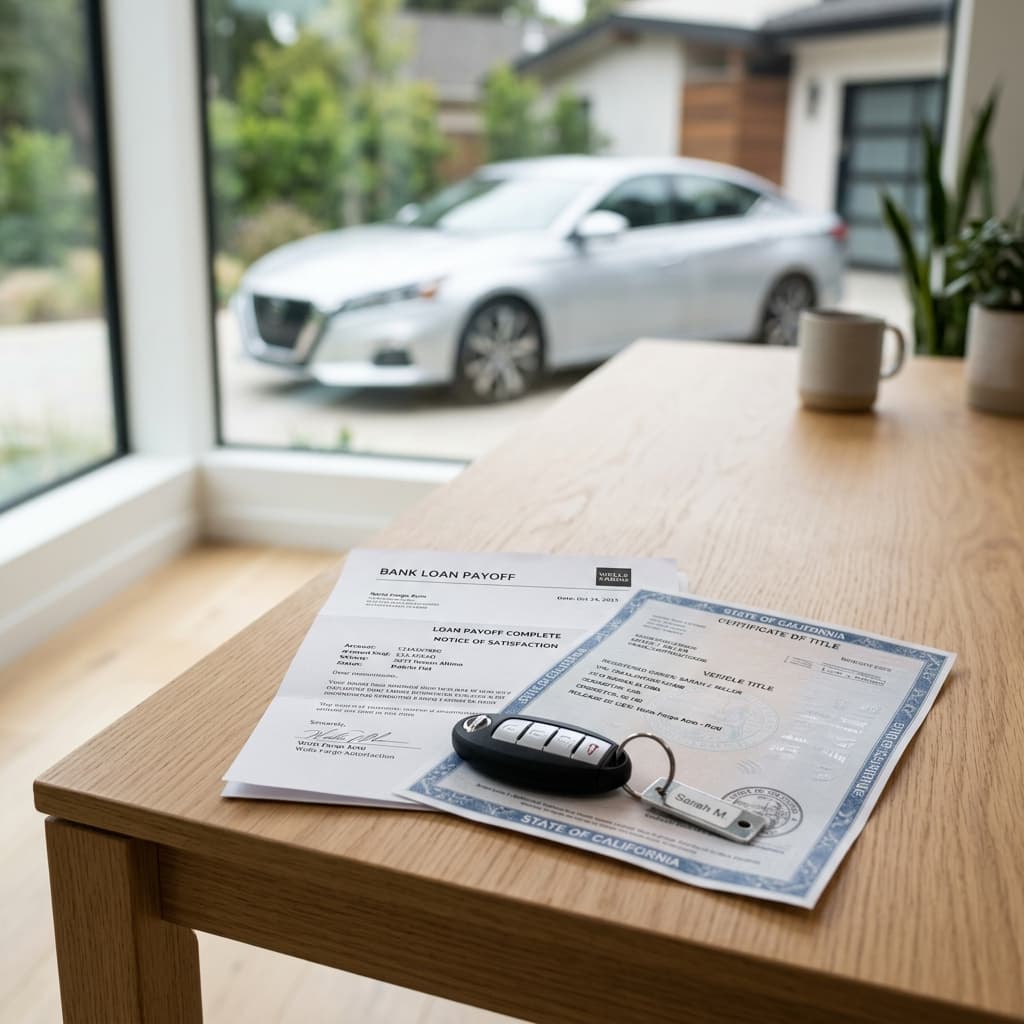
Selling a car is stressful enough without the added layer of an outstanding loan. Many drivers assume they are stuck with their vehicle until the final payment is made, but that isn't the case. You can absolutely sell a car with a lien on it, you just need a slightly different strategy than a standard sale.
Whether you want to upgrade your ride or simply lower your monthly expenses, selling a financed car is a common transaction. It requires coordination with your lender and transparency with your buyer, but the financial freedom on the other side is worth the effort. This guide breaks down exactly how to navigate the process, handle the paperwork, and ensure a secure transfer of ownership.
Assess Your Loan Situation
Before you list your car online or visit a dealership, you need clarity on your debt. The number you see on your monthly statement is likely your current balance, but that is not the amount required to walk away from the loan.
To sell the car, you need the payoff amount. This figure includes the remaining principal plus any interest that has accrued since your last payment. It is valid for a specific number of days, usually 10 to 30. You should also check your loan contract for any prepayment penalties. While rare in modern consumer auto loans, some lenders still charge a fee for paying off the debt early.
Determine Your Car's Value
Once you know what you owe, you need to know what the car is worth. Use online valuation tools to get a baseline market value. Be honest about the vehicle's condition, scratches, mechanical issues, and high mileage all affect the price.
This comparison tells you your equity status:
- Positive Equity: Your car is worth $15,000, and you owe $10,000. You pocket the $5,000 difference.
- Negative Equity (Upside Down): Your car is worth $10,000, and you owe $15,000. You must pay the $5,000 difference to the lender to sell the car.
Equity Strategy Guide
Equity Status | Strategy for Private Sale | Strategy for Trade-In |
|---|---|---|
Positive Equity | The buyer pays off the loan; you keep the remaining cash. | The dealer pays off the loan; the surplus applies to your new car's down payment. |
Negative Equity | You must pay the lender the difference between the sale price and the loan balance immediately. | The dealer may allow you to "roll over" the negative equity into a new loan (increasing your debt). |
Explore Selling Options
You generally have two paths: selling to a private party or trading in at a dealership.
Selling Privately usually nets you the most money. Private buyers are often willing to pay closer to retail value than a dealer, who needs to buy low to resell for a profit. However, this route requires more legwork, specifically regarding the title transfer and trust-building with the buyer.
Trading In is the path of least resistance. Dealerships handle this paperwork daily. They will communicate directly with your lender, pay off the lien, and handle the title work. The trade-off is the price; you will almost certainly get less for the vehicle than you would in a private sale.
Steps to Sell to a Private Buyer
If you choose to sell privately to maximize your return, follow these steps to ensure the lien is released correctly.
1. Communicate with the Lender
Call your lender and explain that you are selling the car privately. Ask for their specific procedure for third-party payoffs. Some lenders have local branches where you can meet the buyer to handle the transaction in person, which is the safest method.
2. Secure the Payment
If the buyer is paying cash, meet at your bank or the lender's office. If the buyer is financing the purchase, their bank will likely want to send the payment directly to your lender.
Important: If the sale price is lower than your payoff amount (negative equity), you must be prepared to pay the difference to the lender immediately. The lien cannot be released until the entire debt is satisfied.
3. Release the Lien and Transfer Title
This is the part that makes buyers nervous. In many cases, you cannot hand over the title instantly because the lender holds it.
- Electronic Titles: In many states, lenders hold titles digitally. Once paid, they notify the DMV, who then prints and mails the clean title to you or the buyer.
- Paper Titles: If the lender holds a physical title, they will mail it after the funds clear.
- Timelines: Regulations vary by state. For example, New York requires lenders to execute a release within three business days of clearance, while Texas allows 10 days.
Protect Yourself from Fraud
Private sales carry risks. When selling a car with a loan, the complexity of the transaction can sometimes mask scam attempts. Be wary of buyers who want to pay via personal check or who pressure you to release the vehicle before you have confirmed the funds with your lender.
Escrow services can bridge the trust gap. For a small fee, an escrow service holds the buyer's money and only releases it to the lender/seller once the vehicle and title transfer terms are met. This protects both parties.
Steps to Trade-In at a Dealership
If the private sale process sounds too daunting, trading in is a viable alternative.
- Negotiate Separately: Negotiate the trade-in value of your car before discussing the new car purchase or monthly payments. This prevents the dealer from burying the numbers.
- Hand Over the Keys: Provide the dealer with your loan account number and payoff quote.
- Sign the Power of Attorney: You will likely sign a document allowing the dealer to work with the DMV and your lender on your behalf.
- Watch the Negative Equity: If you are upside down on the loan, the dealer might offer to roll that debt into your new loan. Be careful, this means you are paying interest on your new car and the remainder of your old one.
Prepare Necessary Paperwork
Gathering documents early speeds up the sale. Whether selling privately or to a dealer, you will need:
- Loan Payoff Letter: Official document from the lender showing the amount due.
- Bill of Sale: Documents the transaction details (VIN, price, date, buyer/seller info).
- Odometer Disclosure Statement: Required by federal law to certify the mileage.
- Lien Release: Once the loan is paid, this document proves the lender no longer has a claim to the car.
- Maintenance Records: Proof of regular oil changes and repairs builds value and trust.
Tips for a Smooth Transaction
- Be Transparent: List the car as "financed" or "lien on title" in your ad. Serious buyers appreciate the honesty and it filters out those looking for a quick cash-and-carry deal.
- Meet in Safe Locations: If your lender has a local branch, meet there. It provides a safe public environment, and the bank staff can verify funds immediately.
- Verify Identity: Check the buyer's driver's license and ensure it matches the name on the check or payment method.
Conclusion
Selling a car with a loan is a standard financial maneuver that thousands of drivers execute every day. While it requires more attention to detail than selling a paid-off vehicle, the process is logical and manageable. By assessing your equity, communicating clearly with your lender, and keeping transparent records, you can close the deal confidently.
Don't let an outstanding balance keep you in a vehicle that no longer suits your needs. With the right information and a little patience, you can navigate the sale and move on to your next drive.