Extended Car Warranties: Are They Worth the Cost?
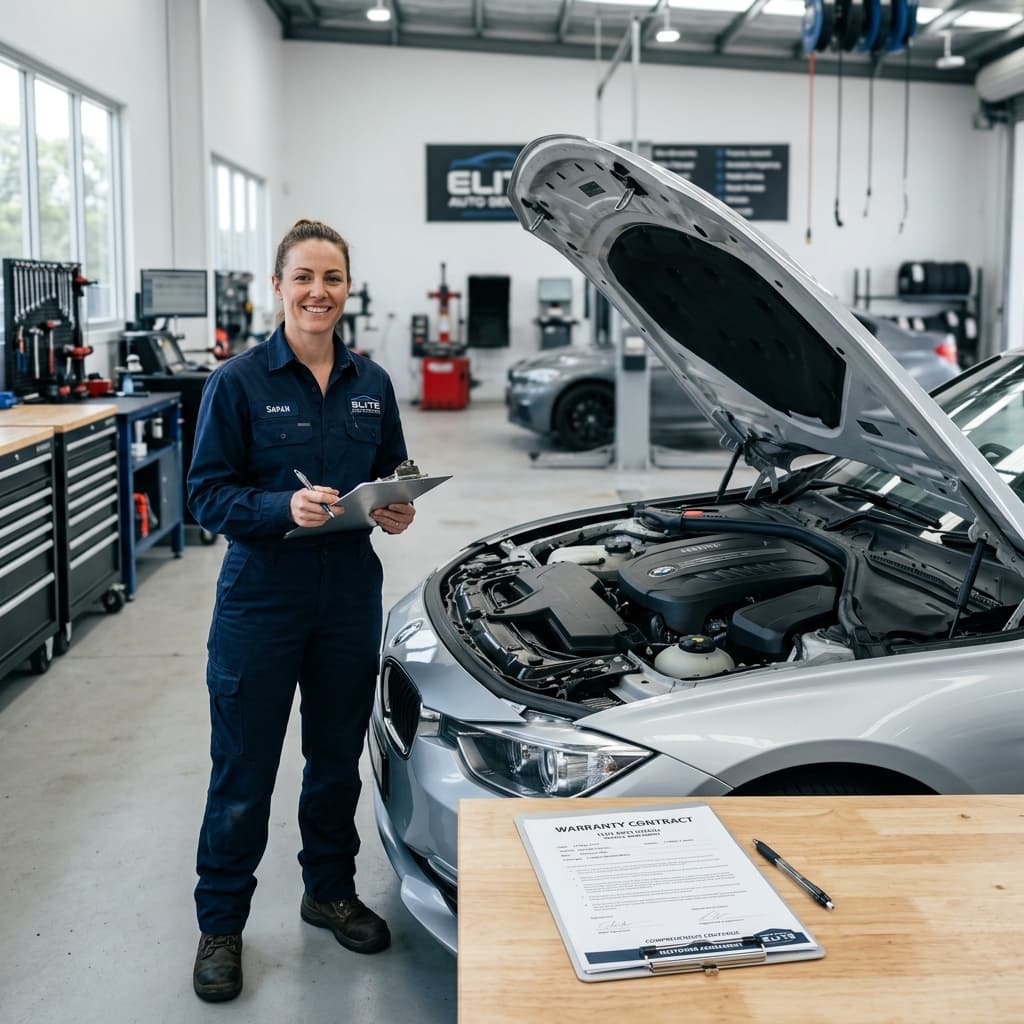
"We've been trying to reach you about your car's extended warranty." It's a phrase that has become a punchline for robocalls, yet it touches on a serious financial concern for vehicle owners: the fear of unexpected, expensive repairs. When you buy a used car or your new car's factory coverage expires, the prospect of a blown transmission or a failing engine computer can be daunting.
An extended warranty, or more accurately a vehicle service contract, promises to shield you from these costs. However, the marketplace is crowded with aggressive marketing, confusing terminology, and fine print that can leave you stranded. For high-intent buyers and sellers, distinguishing between a legitimate financial safety net and a predatory scam is essential.
Before you sign a contract costing thousands of dollars, you need to understand exactly what you are buying. This guide will break down the differences between warranties and service contracts, explain coverage options, and help you determine if the investment makes sense for your specific vehicle.
What is an Auto Extended Warranty?
While commonly called an "extended warranty," what you are likely purchasing is actually a vehicle service contract. According to the Federal Trade Commission (FTC), a warranty is a promise included in the price of the car to fix defects for a set time. A service contract is an extra product you buy separately.
It is an agreement where a provider, either the manufacturer, a dealer, or a third-party company, agrees to pay for specific repairs over a set period or mileage.
Coverage Details
Not all contracts are created equal. The most critical distinction to understand is between inclusionary and exclusionary coverage.
- Inclusionary Coverage: This policy lists only the specific parts that are covered. If a part breaks and it is not on the list, you pay for it. These are often cheaper but riskier for the consumer.
- Exclusionary Coverage: This is generally the highest level of protection (often called "bumper-to-bumper" style). It covers everything on the vehicle except for a specific list of excluded items. If a part isn't listed as excluded, it is covered.
Benefits of an Extended Warranty
For many drivers, the primary benefit is budget predictability. A major mechanical failure can cost $3,000 or more. A service contract breaks that risk down into a monthly payment or an upfront fee, ensuring that a mechanical breakdown doesn't become a financial breakdown. Additionally, legitimate contracts often include perks like roadside assistance, towing reimbursement, and rental car coverage while your vehicle is in the shop.
Key Factors to Consider When Choosing a Warranty
When evaluating a contract, you must look beyond the glossy brochure and examine the specific terms. The value of the contract depends entirely on three variables.
Coverage Length
Pay close attention to when the coverage begins. Some unethical providers sell "5-year" warranties that start from the vehicle's original in-service date, meaning you might be buying a contract that has already partially expired. Ensure the term (years) and mileage limits start from the day you purchase the contract.
Deductibles
Just like auto insurance, service contracts usually come with a deductible. You need to verify if the deductible is per visit or per repair.
- Per Visit: You pay the deductible once, regardless of how many things are fixed during that appointment.
- Per Repair: If your car needs a water pump and an alternator fixed at the same time, you pay the deductible twice. This can significantly increase your out-of-pocket costs.
Exclusions
Every contract has exclusions. Legitimate contracts will clearly state that "wear and tear" items are not covered. You should expect to pay for the following out of pocket:
- Tires and wheels
- Brake pads and rotors
- Wiper blades
- Batteries
- Regular maintenance (oil changes, filters)
Comparing Different Warranty Providers
The entity backing your contract matters as much as the coverage itself. If the administrator goes out of business, your contract may become worthless.
Researching Providers
There are generally two sources for these contracts:
- Manufacturer-Backed: Sold by the automaker (e.g., Ford, Toyota). These are often more expensive but offer the most seamless claims process. You can usually take the car to any dealership of that brand.
- Third-Party Providers: Sold by independent companies. These can be more flexible and affordable, allowing you to use independent mechanics (ASE-certified). However, the claims process can be slower, requiring pre-authorization before work begins.
Reading the Fine Print
Before signing, ask for a sample contract and look for these specific terms:
- Transferability: Can you transfer the warranty to a new owner if you sell the car? This adds resale value.
- Cancellation: Can you cancel the contract for a pro-rated refund if you sell the car or are unhappy with the service?
- Authorized Repairs: Does the contract force you to use a specific chain of repair shops, or can you choose your own mechanic?
Comparison: Manufacturer vs. Third-Party Contracts
Feature | Manufacturer-Backed | Third-Party Provider |
|---|---|---|
Where to buy | Usually dealership only | Dealerships, online, direct |
Repair location | Franchise dealerships | Any ASE-certified mechanic |
Cost | Generally higher | Generally lower |
Claims process | Seamless (dealer handles it) | Requires pre-authorization |
Risk | Very Low | Moderate (varies by company reputation) |
The Cost vs. Benefit Analysis
An extended warranty is essentially insurance. You are betting that your car will break, and the provider is betting it won't. To win this bet, you need to do the math.
Assessing Potential Repair Costs
Look up the reliability rating of the specific make and model you are buying. Luxury vehicles with complex electronics (like BMW or Land Rover) often have repair costs that far exceed the price of a warranty. Conversely, a vehicle known for bulletproof reliability (like a Honda Civic) might never require repairs totaling the cost of the contract.
Peace of Mind
For some, the math is secondary to the psychology. If a $2,000 repair bill would cripple your finances, paying $80 a month for a service contract acts as a financial stabilizer. If you have a robust emergency fund, self-insuring (saving that monthly payment yourself) is often the smarter financial move.
Avoiding Scams and Pitfalls
The FCC and FTC have issued numerous warnings regarding auto warranty scams. High-pressure tactics are the hallmark of these bad actors.
Identifying Red Flags
Be skeptical of any unsolicited contact. Legitimate companies rarely use robocalls. Watch out for mailers that look like official government documents using terms like "Motor Vehicle Notification" or "Final Warranty Notice."
If a salesperson pressures you to pay immediately or asks for financial information before showing you a contract, hang up. As noted by the FTC, scammers often try to create a false sense of urgency to bypass your critical thinking.
Checking Provider Reputation
Never buy from a company you haven't researched. Check the Better Business Bureau (BBB) for complaint histories. Specifically, look for complaints regarding "failure to pay claims." If a company has a pattern of denying claims based on technicalities, avoid them.
Making the Right Decision for Your Vehicle
Ultimately, the decision to buy an extended warranty should be data-driven, not fear-driven.
Assessing Vehicle Reliability
Before you even consider a warranty, you must know the car's history. A vehicle with a clean past is a candidate for a warranty; a vehicle with a history of neglect or severe accidents is a liability.
- Salvage Titles: Most warranty companies will not cover a car with a salvage or branded title.
- Modifications: If the previous owner lifted the truck or tuned the engine, your warranty claim will likely be denied.
Long-Term Ownership Plans
Consider how long you plan to keep the vehicle. If you buy a used car and plan to drive it for only two years, a long-term contract may be wasted money unless it is transferable to the next owner.
Is an Extended Warranty Right for You?
An extended warranty can be a lifesaver for the right car and the right owner, but it can also be a waste of money if purchased blindly. By understanding the difference between inclusionary and exclusionary coverage, checking for red flags, and vetting the provider, you can make a choice that protects your wallet.
However, a warranty can't fix a car that was a lemon from the start. Before you commit to a vehicle or a service contract, validate the VIN to ensure you aren't inheriting someone else's disaster.