The Best Cars for Elderly Drivers: Safety, Comfort, and Reliability
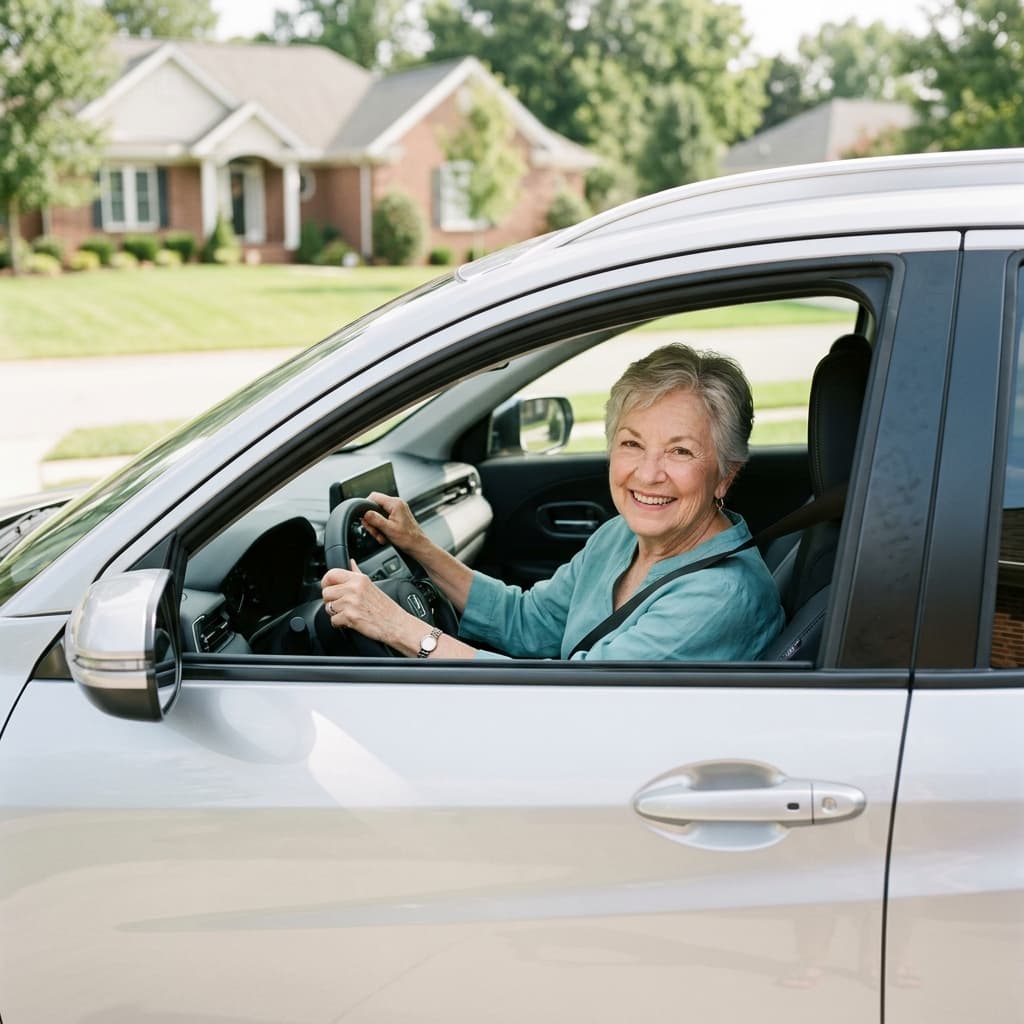
For many seniors, driving isn't just about transportation, it is a lifeline to independence. It allows for spontaneous trips to the grocery store, visits to family, and the freedom to maintain an active social life. However, as we age, our physical needs and reaction times change. The vehicle that served a driver well in their 40s might not be the safest or most comfortable option in their 70s or 80s.
Choosing the right vehicle becomes a balance of preserving independence while acknowledging the realities of aging. Factors like stiffness in joints, reduced night vision, or slower reflexes require a car that compensates for these changes rather than exacerbating them. The market is full of options, but finding the perfect match requires looking beyond the price tag and focusing on features that actively support the senior driver.
This guide explores the specific needs of elderly drivers and identifies the top vehicles that offer the best blend of safety, accessibility, and ease of use. Whether you are shopping for yourself or an aging parent, understanding these criteria will help you make a decision that ensures safety and peace of mind for every mile ahead.
Understanding the Needs of Elderly Drivers
Before diving into specific makes and models, it is crucial to understand why certain vehicles are better suited for older drivers than others. Aging affects the body in ways that directly impact the driving experience. Recognizing these challenges is the first step in selecting a vehicle that mitigates risk.
One of the most common issues is limited mobility. Conditions like arthritis or general stiffness can make getting in and out of a low-slung sedan or climbing into a high truck difficult. Drivers need a vehicle with a "hip-height" entry point, allowing them to slide in rather than squat down or climb up.
Furthermore, checking blind spots requires neck flexibility that may diminish with age. Vehicles with poor visibility or large blind spots can become dangerous hazards for seniors who cannot easily turn their heads.
Vision changes also play a significant role. Glare from oncoming headlights can be blinding, and reading small, dimly lit dashboard fonts becomes frustrating. The best cars for elderly drivers address these issues with bright, high-contrast displays, large windows, and auto-dimming mirrors.
Finally, reaction times naturally slow down. This is where modern technology steps in. A car that can sense a potential collision and brake automatically is no longer a luxury; for senior drivers, it is a necessary safeguard.
Safety Features to Prioritize
When evaluating vehicles for senior drivers, safety technology should be at the top of the list. In recent years, Advanced Driver Assistance Systems (ADAS) have revolutionized vehicle safety. According to the Insurance Institute for Highway Safety (IIHS), crash avoidance features are particularly beneficial for older drivers.
Advanced Driver Assistance Systems (ADAS)
These systems act as a second set of eyes and an extra foot on the brake. You should prioritize vehicles equipped with:
- Automatic Emergency Braking (AEB): This system detects potential collisions and applies the brakes if the driver doesn't react in time.
- Blind Spot Monitoring (BSM): This is essential for drivers with limited neck mobility. It uses sensors to alert the driver if a vehicle is in the lane next to them, usually via a light on the side mirror.
- Lane Keeping Assist (LKA): If the vehicle starts to drift out of its lane without a turn signal, this system gently steers it back or alerts the driver.
- Rear Cross-Traffic Alert: This is invaluable for backing out of parking spaces, warning drivers of approaching traffic from the side.
Visibility and Lighting
Seeing and being seen is vital. Look for vehicles with large windows and thin "A-pillars" (the frame between the windshield and the side window). Thick pillars can hide pedestrians or other cars at intersections. Additionally, automatic high-beam headlights are a fantastic feature. They switch between high and low beams automatically based on traffic, ensuring maximum visibility without blinding other drivers.
Essential vs. Optional Features for Seniors
Feature Category | Must-Have | Nice-to-Have |
|---|---|---|
Safety | Automatic Emergency Braking, Blind Spot Monitoring, Backup Camera | 360-Degree Surround View Display |
Comfort | Power Adjustable Seats, Easy Entry Height | Heated Steering Wheel, Heated Seats |
Visibility | Large Windows, Auto-High Beams | Rain-Sensing Wipers, Auto-Dimming Mirrors |
Controls | Physical Knobs/Buttons, Large Font Display | Voice Control, Apple CarPlay/Android Auto |
Top Car Models for Seniors
Based on safety ratings, ease of access, and visibility, here are top recommendations across different vehicle categories.
Subcompact and Compact SUVs
Small SUVs are often the "Goldilocks" choice for seniors. They offer a higher seating position than sedans (better visibility) but are easier to park and maneuver than large trucks.
- Subaru Forester: Frequently citing top safety scores, the Forester is legendary for its visibility. The boxy shape means huge windows and very few blind spots. It comes standard with Subaru's EyeSight driver-assist technology.
- Honda CR-V: Known for its reliability, the CR-V has wide-opening doors (almost 90 degrees), making entry and exit incredibly easy. The cargo floor is also low, making it easier to load groceries.
- Toyota RAV4 Hybrid: Offers excellent fuel economy and comes standard with Toyota Safety Sense. It provides a comfortable ride height and intuitive controls.
Sedans
For those who prefer the driving dynamics of a car, look for mid-size sedans that aren't too low to the ground.
- Toyota Camry: A staple for a reason. The Camry offers a smooth ride, high reliability, and simple controls. Recent models have improved safety tech significantly.
- Honda Accord: Spacious and reliable, the Accord offers a comfortable cabin with a user-friendly infotainment system.
- Subaru Legacy: One of the few sedans with standard All-Wheel Drive (AWD), making it a great choice for seniors living in areas with snow or rain.
Vans
Minivans may seem large, but they are unbeatable for accessibility.
- Toyota Sienna: The sliding doors are automated, removing the struggle of opening heavy car doors. The seat height is ideal for sliding in and out, and the visibility is excellent.
The Truck Dilemma
Generally, pickup trucks are not recommended for elderly drivers due to the high climb required to enter the cab and the difficulty in parking. However, if a truck is necessary, consider a mid-size option like the Honda Ridgeline, which drives more like an SUV and has a lower entry point than full-size competitors.
Comfort and Convenience Features
Safety keeps you secure, but comfort keeps you driving longer. Ergonomics play a massive role in how tiring driving can be.
Adjustable Seating and Lumbar Support
Look for power-adjustable seats with memory settings. This allows the driver to set their perfect position and return to it with the push of a button, helpful if the car is shared with a spouse. Lumbar support is crucial for protecting the back during longer trips. Heated seats are also therapeutic for drivers with back pain or arthritis, keeping muscles loose and comfortable.
User-Friendly Infotainment Systems
Modern cars are often plagued by complex touchscreens buried in sub-menus. For elderly drivers, physical buttons and knobs for volume and climate control are superior. They provide tactile feedback and allow the driver to make adjustments without taking their eyes off the road. When testing a car, check the screen brightness and font size. Can the GPS be read easily at a glance? Is the interface intuitive?
Reliability and Maintenance
Seniors on a fixed income need predictability. A vehicle that requires constant, expensive repairs can become a financial burden.
Low Maintenance Costs
Japanese manufacturers like Toyota, Honda, and Subaru consistently rank high for reliability. Their parts are widely available, and they are generally less expensive to repair than European luxury brands.
Strong Warranty Coverage
If buying new, look for long powertrain warranties. Hyundai and Kia, for example, offer 10-year/100,000-mile powertrain warranties, providing a decade of peace of mind regarding the engine and transmission.
Accessibility to Service Centers
Consider the logistics of maintenance. A luxury car might be nice, but if the nearest dealership is an hour away, routine oil changes become a major hassle. Choose a brand with a service center conveniently located near the driver's home.
Cost and Affordability
Beyond the sticker price, consider the long-term financial impact of the vehicle.
Fuel Efficiency
Hybrids are excellent choices for seniors. They offer superb gas mileage, reducing the frequency of stops at the gas station, which can be a physically taxing chore in bad weather. Cars like the Toyota Camry Hybrid or Honda CR-V Hybrid offer seamless efficiency without needing to be plugged in.
Insurance Costs
Insurance premiums can rise as drivers enter their 70s. However, vehicles equipped with advanced safety features (AEB, lane departure warning) often qualify for discounts. Before buying, call your insurance provider to get quotes for the specific models you are considering.
Tips for Choosing the Right Car
Selecting the car is a process that should not be rushed. Here is a step-by-step approach to finding the right fit.
- The "Fit" Test: Before starting the engine, sit in the car. Can you see at least three inches over the steering wheel? Is there plenty of headroom? Can you reach the pedals without stretching?
- Test the Controls: Try to pair a phone via Bluetooth or set a radio station. If it takes more than a minute to figure out, the tech might be too frustrating for daily use.
- Check the Doors: Open and close the doors and the trunk. Are they too heavy? If the trunk is heavy, look for a model with a power-operated liftgate.
- Consult Professionals: Programs like CarFit (developed by AAA, AARP, and the American Occupational Therapy Association) offer events where experts check how well a driver's personal vehicle "fits" them and recommend adjustments.
- Consider Adaptive Equipment: If a standard car isn't quite right, simple additions like pedal extenders, seat belt grabbers, or steering wheel covers can make a huge difference.
Conclusion: Ensuring Safety and Independence on the Road
Giving up the keys is a major fear for many seniors, but driving an unsafe or ill-fitting vehicle is not the answer. By choosing a car that offers high visibility, easy entry, and advanced safety technology, elderly drivers can extend their driving years safely.
Whether it is the visibility of a Subaru Forester or the accessible comfort of a Toyota Sienna, the right vehicle acts as a partner in independence. Take the time to test drive multiple models, prioritize safety features over aesthetics, and ensure the vehicle fits the driver's physical needs.
Finally, if you are purchasing a used vehicle to meet these needs, transparency is non-negotiable. You need to know that the safety systems are intact and that the car hasn't been compromised by past accidents.