Can You Buy a Car Without a License? Here's What You Need to Know
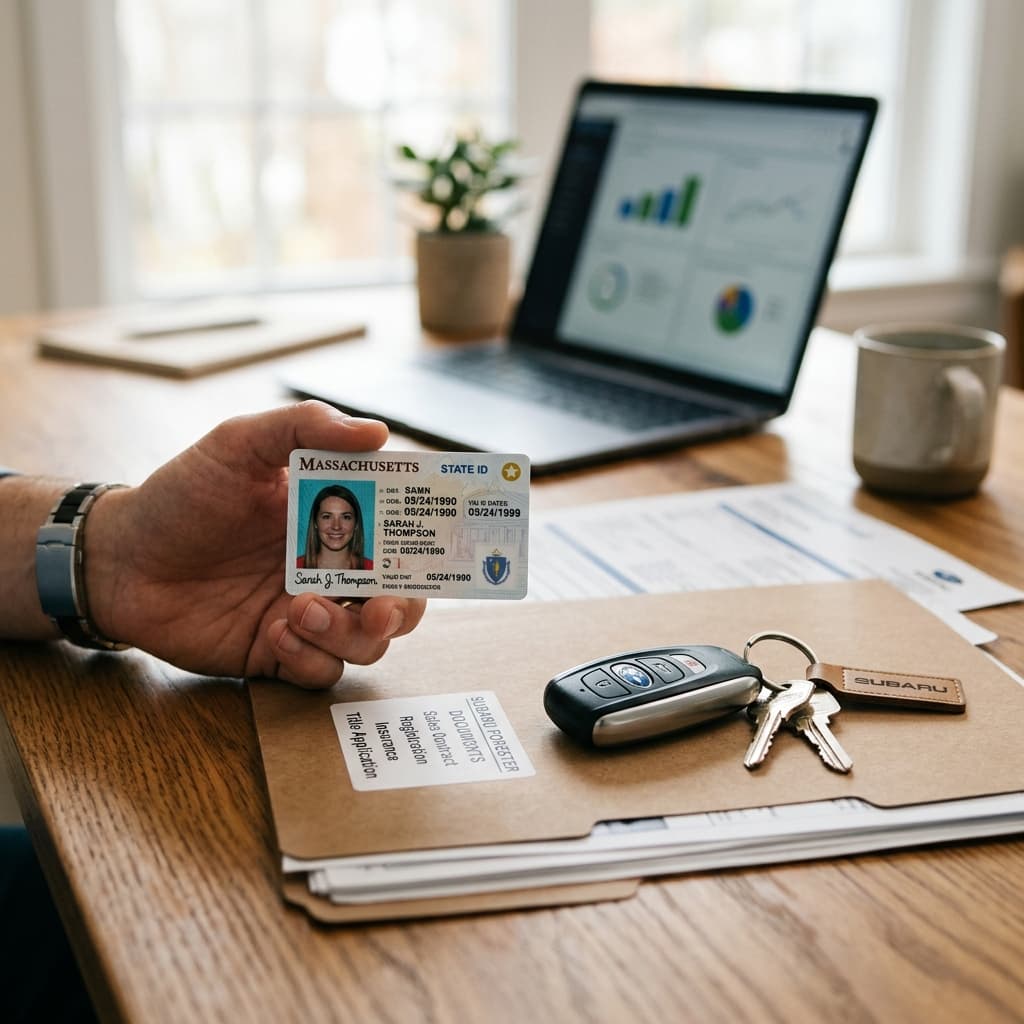
The short answer is yes. Legally, you do not need a driver's license to purchase a car in the United States. A car is an asset, much like a house or a boat, and there are no laws prohibiting you from owning property just because you aren't licensed to operate it.
However, while the purchase itself is legal, the logistics of getting that car on the road, specifically financing, insuring, and registering it, are where things get complicated.
You might be purchasing a vehicle for a teen driver, buying a collectible you never intend to drive, or securing a car for a caregiver to transport you. In these scenarios, the transaction is just the first step in a complex maze of DMV regulations and insurance policies. Without the right preparation, you could find yourself with a shiny new car sitting in your driveway that you cannot legally register or insure.
This guide breaks down exactly how to navigate the system, the specific hurdles you will face without a license, and how to protect yourself during the process.
Understanding State Laws and Regulations
It is crucial to distinguish between buying a car and driving a car. Purchasing a vehicle is a financial transaction governed largely by contract law. Driving a vehicle is a privilege governed by state traffic laws.
While no state explicitly bans unlicensed individuals from buying cars, every state requires a valid driver's license to operate a vehicle on public roads. This creates a friction point at the dealership. They are happy to sell you the car, but they cannot legally let you drive it off the lot.
Buying vs. Registering
The biggest confusion usually stems from the difference between the title and the registration.
- Title: This is the legal document that proves ownership. You generally do not need a license to have your name on a title. You just need valid government-issued photo identification.
- Registration: This is the document that allows the car to be on public roads. Most states require proof of insurance and a valid driver's license to issue a registration.
Because regulations vary significantly by state, you must check with your local Department of Motor Vehicles (DMV) or Registry of Motor Vehicles (RMV). Some states may allow you to register a vehicle with a state ID card if you list a designated licensed driver on the paperwork, while others are far stricter.
Situations Where You Might Need a Car Without a License
It is more common than you might think for unlicensed individuals to purchase vehicles. Here are the most frequent scenarios where this applies:
- Buying for a Third Party: You might be buying a car as a gift for a spouse, child, or relative who has a license, but you are the one with the credit or cash to make the purchase.
- Disability or Aging: Individuals who can no longer drive due to age or disability often purchase vehicles for caregivers or family members to use when transporting them.
- Business Ownership: A business owner may purchase a fleet of vehicles for employees to use, even if the owner does not drive personally.
- Collectors: Car enthusiasts often buy vintage or classic cars for restoration or display purposes with no intention of driving them on public highways.
- Chauffeurs: Some individuals prefer to hire a driver and own the vehicle that the chauffeur operates.
The Process of Buying a Car Without a License
If you are ready to move forward, you need a game plan. You cannot simply walk into a dealership and expect the standard process to work for you. Follow these steps to ensure a smooth transaction.
1. Secure Valid Identification
You cannot buy a car anonymously. Federal laws require dealerships to verify your identity to prevent fraud and money laundering. Since you don't have a driver's license, you must provide a valid government-issued photo ID. Acceptable forms typically include:
- State-issued ID card
- Passport
- Military ID
2. Arrange Financing (If Not Paying Cash)
Financing can be a hurdle. Lenders view unlicensed borrowers as higher risk because the asset (the car) is harder for the bank to repossess or resell if the insurance lapses or the car is impounded.
To improve your approval odds, consider adding a co-signer. A co-signer with a valid license and good credit serves as a safety net for the lender.
3. Sort Out Insurance
You generally cannot drive a car off the lot without proof of insurance. However, most major insurers hesitate to write policies for unlicensed owners.
- Excluded Driver Policy: Ask insurers about an "excluded driver" policy. This allows you to buy insurance for the vehicle while explicitly stating that you (the owner) will not drive it. You will need to name a primary driver who holds a valid license.
- Storage Insurance: If the car is a collector's item that won't be driven, look into comprehensive-only coverage or "parked car" insurance.
4. Handling Registration
This is often the hardest step. If your state requires a license to register a vehicle, you may need to register the car in the name of the primary driver (like your spouse or child) or add them to the title as a co-owner. Always check the vehicle history before putting your name, or anyone else's, on a title to avoid inheriting hidden problems.
5. Transporting the Vehicle
Since you cannot legally test drive or drive the car home, you must bring a licensed driver with you to the dealership or private sale. Alternatively, you can hire a towing service or auto transport company to deliver the vehicle to your driveway.
Potential Challenges and Risks
While possible, buying a car without a license comes with significant friction points. Being aware of these risks upfront can save you time and money.
Insurance Roadblocks
Insurance is based on risk assessment. An owner who cannot legally drive is a statistical anomaly that automated insurance quoting systems often reject. You will likely spend more time on the phone with agents finding a carrier who understands your situation.
Registration Loopholes
Some buyers try to skip registration if they aren't driving the car immediately. Do not do this. An unregistered car is often illegal to park on public streets and can result in fines or towing.
The "Straw Purchase" Risk
If you are buying a car for someone else because their credit is too poor to qualify, be careful. If you finance the car in your name but they make the payments and drive it, lenders may consider this a "straw purchase," which can be a form of fraud depending on the contract terms. Always be transparent with your lender about who the primary driver will be.
Identifying Scams
Unlicensed buyers are often more vulnerable to scams because they cannot test drive the vehicle themselves. They rely heavily on the seller's word. A seller might hide mechanical issues that would be obvious during a test drive, or worse, try to pass off a vehicle with a "washed" title.
Before handing over any money, always validate the vehicle's background.
Buying vs. Driving Requirements
Requirement | Buying/Owning | Registering/Driving |
|---|---|---|
Driver's License | Not Required | Required |
Government Photo ID | Required | Required |
Proof of Insurance | Not always required (for cash sales) | Required |
Test Drive | Not possible personally | Required (by proxy) |
Alternatives to Buying a Car Without a License
If the hurdles of insurance and registration seem too high, consider if owning a vehicle is truly the best solution for your needs.
Ride-Sharing and Taxis
For those who need reliable transportation without the headache of ownership, services like Uber and Lyft offer on-demand mobility. While the per-ride cost is higher, you eliminate the costs of insurance, maintenance, gas, and depreciation.
Public Transportation
In major metropolitan areas, public transit remains the most cost-effective option. It requires no capital investment and carries zero liability risk.
Carpooling or Car Sharing
If you only need a vehicle occasionally, joining a car-share program (like Zipcar) might be viable, though these services strictly require a driver's license to join. If you are buying a car solely for a caregiver to drive you, calculate if paying them a mileage reimbursement for using their own car is cheaper than buying and insuring a second vehicle.
Conclusion
Buying a car without a license is entirely legal, but it requires extra diligence. You face a stricter path regarding insurance, financing, and registration. The key is preparation: secure a licensed co-signer or primary driver, find an insurance agent willing to write a specialized policy, and know your state's specific registration laws.
Most importantly, because you cannot test drive the vehicle yourself, you are taking a leap of faith on the car's condition. Never buy blind. Ensure the asset you are purchasing is safe, reliable, and free of hidden history by running a comprehensive vehicle report.