Cars With The Most Recalls in 2025
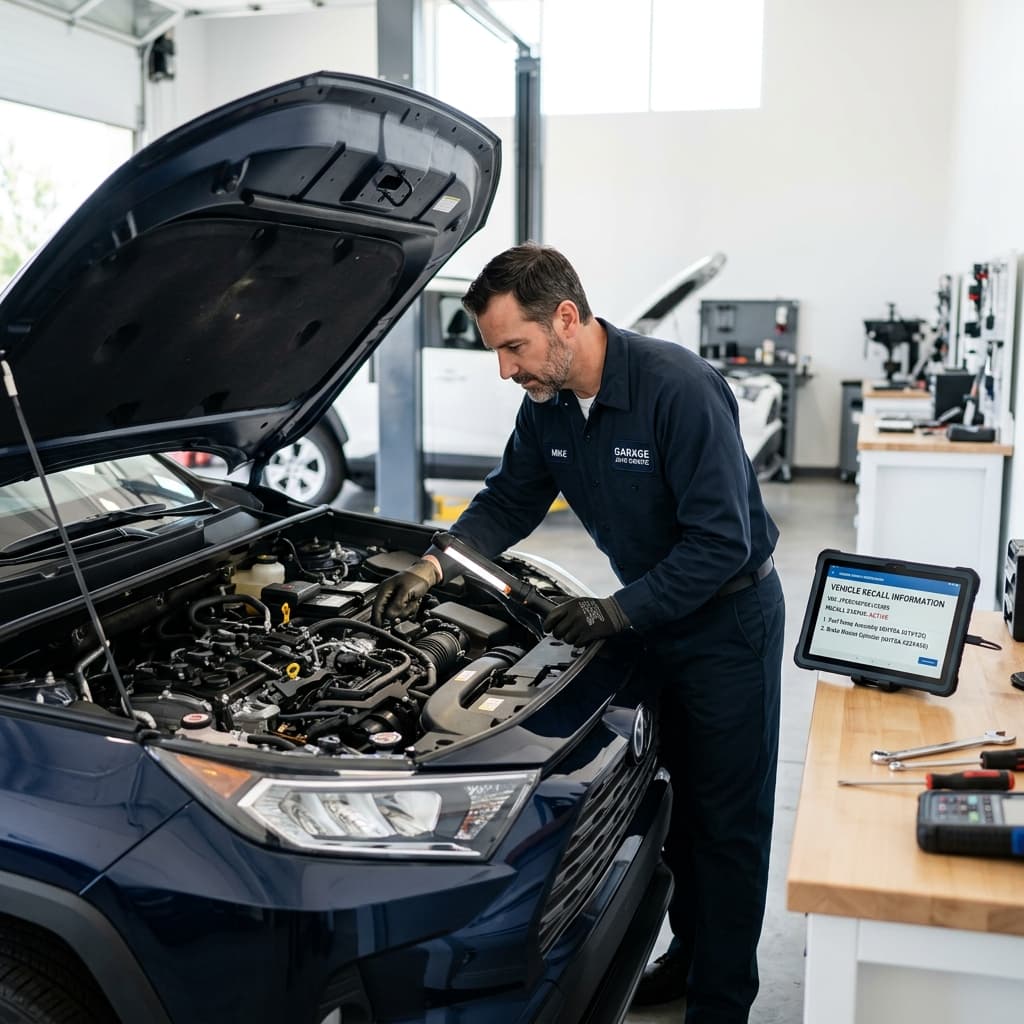
Purchasing a vehicle is one of the most significant financial decisions you will make, but even the newest or most reliable-looking cars can hide serious safety issues. In 2025, millions of vehicles were recalled for defects ranging from minor software glitches to critical engine failures and fire risks. For a used car buyer or current owner, knowing which models are affected is not just about avoiding a lemon, it's about ensuring your safety on the road.
If you are currently shopping for a used vehicle or want to verify the status of your current car, you shouldn't rely on guesswork.
Understanding Car Recalls
A car recall is a safety precaution issued when a manufacturer or the National Highway Traffic Safety Administration (NHTSA) determines that a vehicle, equipment, car seat, or tire creates an unreasonable safety risk or fails to meet minimum safety standards. Manufacturers are required to fix the problem by repairing it, replacing it, offering a refund, or, in rare cases, repurchasing the vehicle, usually at no cost to the owner.
Recalls can happen for various reasons, but they generally fall into two categories:
- Safety-related defects: These include issues like steering components breaking, airbags failing to deploy, wiring problems that pose fire risks, or accelerator pedals sticking.
- Non-compliance with safety standards: This occurs when a vehicle doesn't meet existing Federal Motor Vehicle Safety Standards (FMVSS), such as seat belts not locking properly or headlights being too dim.
The NHTSA plays a critical role in this process. They maintain a database of safety complaints and conduct investigations. If they find a defect trend, they can order a recall. However, manufacturers often voluntarily issue recalls once they discover an issue through their own testing or consumer reports.
Top Cars With the Most Recalls in 2025
While high recall numbers can sometimes indicate a manufacturer is being proactive about safety, frequent recalls can also signal quality control issues. In 2025, several major automakers faced significant challenges.
According to data tracked throughout the year, Ford, Toyota, and Stellantis (the parent company of Jeep, Ram, and Chrysler) had the highest volume of recalled vehicles. Below is a breakdown of the specific models that faced the most significant recall campaigns.
Summary of Major 2025 Recalls:
- Ford F-150 & SUVs: Multiple campaigns involving engine and electrical systems.
- Toyota Tacoma & SUVs: Issues with rear axles and transmission components.
- Jeep Wrangler 4xe: High-voltage battery risks.
- Honda Civic: Manufacturing errors leading to wheel detachment.
- Hyundai Palisade: Seat belt latch failures.
Ford – F-Series and Explorer
Ford continued to lead the industry in recall volume in 2025, affecting over 12 million vehicles across the brand. The F-Series trucks and the Explorer SUV were at the center of several major campaigns.
- Models: Ford F-150, Ford Explorer
- Approximate Years Affected: 2020–2025
- Major Issues: Rearview camera failures, fuel injector cracks (fire risk), and cosmetic trim detaching while driving.
One of the most concerning issues for Ford in 2025 involved cracked fuel injectors in certain EcoBoost engines, which could allow fuel to leak onto hot engine surfaces, increasing the risk of an under-hood fire. Additionally, the Explorer faced a unique recall where exterior B-pillar trim pieces could detach at highway speeds, creating a hazard for other drivers.
Toyota – Tacoma and Tundra
Toyota, a brand historically synonymous with reliability, faced a challenging year with over 3 million vehicles recalled. The primary focus was on their truck lineup.
- Models: Toyota Tacoma, Toyota Tundra
- Approximate Years Affected: 2022–2025
- Major Issues: Rear axle assembly debris and transmission issues.
A significant safety campaign involved debris left in the rear axle assembly during manufacturing. This debris could loosen over time, causing axle shaft separation and a loss of stability or braking performance. For a brand trusted for its durability, these manufacturing oversight recalls are a critical check for any potential buyer.
Jeep – Wrangler 4xe and Grand Cherokee 4xe
Stellantis recalled nearly 2.8 million vehicles in 2025. The most critical safety warnings were issued for their popular plug-in hybrid (PHEV) models.
- Models: Jeep Wrangler 4xe, Jeep Grand Cherokee 4xe
- Approximate Years Affected: 2021–2025
- Major Issues: High-voltage battery fire risk.
This recall was particularly severe, as owners were advised to park their vehicles outside and away from structures until repairs could be made. The defect involved the high-voltage battery pack, which could fail and catch fire even when the vehicle was parked and turned off.
Honda – Civic
Honda recalled over 1.5 million vehicles in 2025. While many were for software updates, one physical defect stood out for its severity.
- Models: Honda Civic
- Approximate Years Affected: 2016–2021
- Major Issues: Wheel detachment.
Due to a manufacturing error involving specific 18-inch alloy wheels, the wheel bolts could loosen over time. If ignored, this could result in the wheel falling off the vehicle entirely while driving. This serves as a stark reminder that recalls aren't always about complex electronics; sometimes, they involve the most basic mechanical components of the car.
The Impact of Recalls on Car Owners
For car owners, a recall is more than just an inconvenience; it affects both the safety and the value of the vehicle.
Safety Risks
The most immediate impact is safety. Ignoring a recall, especially those labeled "Do Not Drive" or those involving fire risks, gambles with the well-being of the driver, passengers, and others on the road. In 2025, we saw recalls regarding steering loss and engine fires, both of which can be catastrophic.
Resale Value
From a financial perspective, open (unrepaired) recalls can diminish a car's value. Dealerships cannot legally sell a new car with an open recall, but the laws for used private sales are much looser. If you try to trade in or sell a car with an open recall, astute buyers or dealers will likely offer less money, knowing they have to deal with the logistics of the repair.
The "Hidden" History
Sometimes, a recall repair is done poorly, or a previous owner ignored it for years. This is why checking a vehicle's history is non-negotiable. A comprehensive report can tell you if a car has a clean title or if it has a history of neglect that might complicate future recall repairs.
How to Check if Your Car Has a Recall
You do not need to wait for a letter in the mail to find out if your car is unsafe. Manufacturers are required to notify owners within 60 days of a recall, but mail gets lost, and second or third owners often get missed entirely. Here is how you can take control:
1. Find Your VIN
Your Vehicle Identification Number (VIN) is a unique 17-character code. You can find it on:
- The lower left of your car's windshield (driver's side).
- The label inside your driver-side door jamb.
- Your vehicle registration or insurance card.
2. Use the NHTSA Search Tool
Visit the NHTSA Recalls website. Enter your VIN into their search tool. It will instantly tell you:
- If there is an open safety recall on your vehicle.
- If the recall has been repaired (if data is available).
- "0 unrepaired recalls" if your car is currently clear.
3. Check for Non-Safety Campaigns
Sometimes manufacturers issue "Customer Satisfaction Programs" that aren't official safety recalls but cover repairs for known issues. These may not show up on the NHTSA site but can be found by calling a local dealership's service department with your VIN.
What to Do If Your Car Is Recalled
If you discover your vehicle is part of a recall, do not panic, but do act quickly.
- Read the Notice: If you received a letter, read it carefully. It will describe the defect, the warning signs, and the remedy.
- Contact a Dealership: Call a franchise dealership for your car brand (e.g., if you have a Ford, call a Ford dealer). Provide them with your VIN.
- Schedule the Repair: Recall repairs are free. The dealer will order the necessary parts and schedule your service appointment.
- Ask About Loaners: If the repair takes days or if the car is unsafe to drive, ask the manufacturer if they provide a loaner vehicle or rental reimbursement.
Note: If you are buying a used car from a private seller, they are not legally required to fix recalls before selling. It is entirely up to you to check the VIN and ensure the car is safe before handing over the cash.
Conclusion
Car recalls in 2025 highlighted a wide range of issues, from software glitches to critical fire hazards. Whether you drive a Ford truck, a Toyota SUV, or a Jeep hybrid, staying informed is the only way to ensure your vehicle is safe for you and your family. Remember, safety recalls are free to fix, but the cost of ignoring them can be incredibly high.
Don't drive in the dark. Verify the history and safety status of any vehicle you own or plan to buy.